
Running a successful ecommerce business today is no longer about luck. It’s about smart insights, data-driven strategies, and knowing what your competitors are up to. That’s where market intelligence tools come into play. For Ecommerce Teams, these tools turn guesswork into strategy, streamline ad research, and fuel creative campaigns that actually convert.
Whether you’re a freelancer, creator, small business, or personal brand, using the right marketing intelligence tools ensures your time and ad spend are invested wisely. In this guide, we’ll explore the 10 best market intelligence tools for 2026.
What Are Market Intelligence Tools and Why Ecommerce Teams Need Them
Market intelligence tools are software platforms that gather, analyze, and visualize market and competitor data to help businesses make informed decisions. Unlike generic marketing software, these tools provide actionable insights that let ecommerce teams understand the competitive landscape, optimize campaigns, and track trends in real time.
For Ecommerce Teams, the benefits are particularly strong:
- Competitive Visibility: Know what ads competitors are running, which products are trending, and where the market is heading.
- Creative Inspiration: Stop guessing what works. Marketing intelligence tools show you the types of creatives, copy, and campaigns that resonate with audiences.
- Data-Driven Decisions: From ad spend optimization to product launches, these tools reduce risk and wasted resources.
- Time Efficiency: Small teams or solo operators can monitor multiple channels at once without hiring a full research team.
For example, imagine you’re launching a seasonal product. Without intelligence tools, you’re guessing ad creatives, targeting, and timing. With the right market intelligence tool, you can quickly identify what your competitors are testing, which ad formats are performing best, and where your target customers are most active.
Key Features Ecommerce Teams Look For:
- Ad tracking and competitive monitoring
- Campaign performance analysis
- Trend spotting and product insights
- Automated reporting and workflow integration
These insights empower teams to move faster, spend smarter, and stay ahead of competitors. Even a solo creator can operate with the same strategic clarity as a large marketing team.
Top 10 Market Intelligence Tools for Ecommerce Teams in 2026
Here’s the ultimate list of market intelligence tools that ecommerce teams, freelancers, and small businesses rely on to make data-driven marketing decisions.
1. Denote – Creative & Competitive Intelligence for Ecommerce
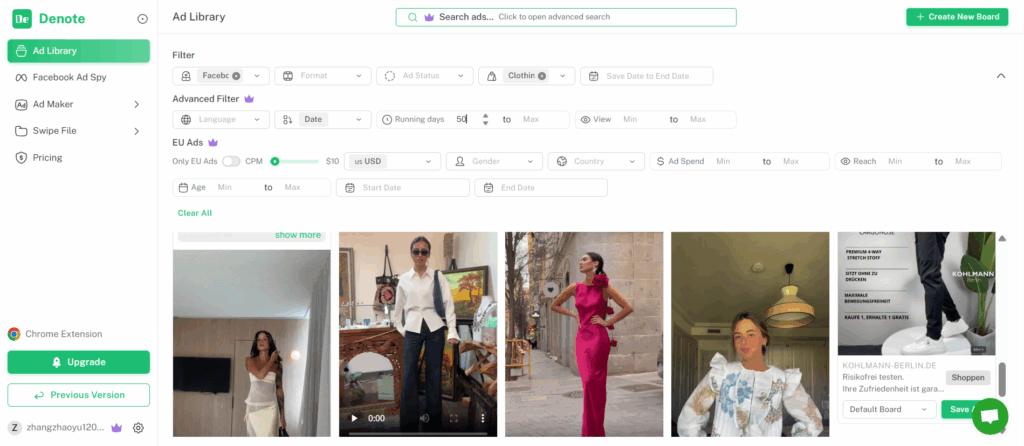
Denote is the most comprehensive market intelligence tool for ecommerce teams, combining creative insights, AI analytics, and competitor ad tracking in one platform. Its feature-rich ecosystem is designed for freelancers, creators, small businesses, and digital brands.
Key Features:
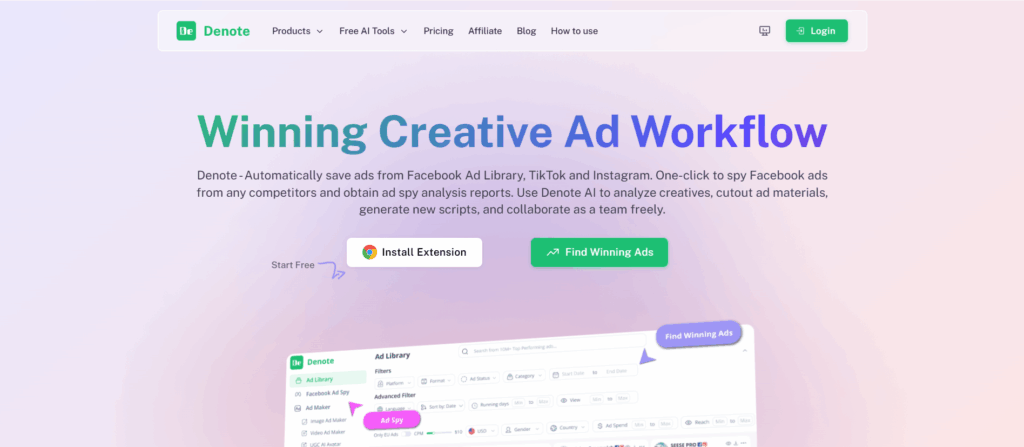
Why Ecommerce Teams Need to Use Denote:
- Small teams can access enterprise-level insights without massive budgets.
- Freelancers and creators save hours in researching, curating, and testing ad concepts.
- AI-powered insights help optimize every campaign and avoid costly mistakes.
- Centralized platform reduces the need for multiple tools.
Imagine you’re planning a holiday ad campaign. With Denote, you can instantly see top-performing ads in your niche, analyze the elements driving clicks and conversions, and even generate AI-assisted variations tailored for your audience.
2. Semrush – Paid Media & SEO Insights
Semrush is a versatile marketing intelligence tool for ecommerce teams looking to optimize search and paid campaigns. It provides deep insights into keywords, competitor ad strategies, and traffic sources. With Semrush, teams can uncover high-performing search terms, analyze competitors’ paid media campaigns, and identify content gaps to drive more qualified traffic.
Ecommerce teams can use Semrush to benchmark campaigns, track competitor rankings, and plan product launches based on real data. While it focuses more on strategy than creative inspiration, pairing Semrush with a tool like Denote gives a full view: creative trends from Denote and data-driven decisions from Semrush.
3. Crayon – Real-Time Competitor Monitoring
Crayon helps ecommerce teams stay ahead by tracking competitor activities in real time. It monitors product launches, pricing changes, marketing campaigns, and website updates, delivering alerts directly to your team.
With Crayon, teams can quickly respond to market shifts, adjust campaigns, or capitalize on gaps competitors leave open. It’s especially useful for small ecommerce businesses and creators who need competitive insights without manually monitoring dozens of websites. Think of it as having a watchtower for the market, helping you spot opportunities before your rivals do.
4. Similarweb – Traffic and Engagement Analytics
Similarweb provides ecommerce teams with a clear picture of website traffic, engagement metrics, and referral sources. By analyzing competitors’ visitor behavior and top-performing channels, teams can identify growth opportunities and optimize marketing spend.
For example, an ecommerce store can see which platforms drive the most conversions for competitors and adapt their strategy accordingly. Similarweb is particularly useful for assessing channel performance, validating campaigns, and spotting trends, making it a go-to tool for data-driven decision-making in fast-paced ecommerce environments.
5. G2 Market Intelligence – Customer Insights
G2 offers insights from verified user reviews, giving ecommerce teams real feedback on competitor products and services. Teams can uncover customer pain points, preferences, and feature demands, helping guide product positioning and marketing messaging.
For instance, if reviews highlight a competitor’s free shipping as a key conversion driver, your team can adjust offers or ad copy accordingly. G2 complements other market intelligence tools by providing human insights, ensuring your campaigns are aligned with actual customer expectations.
6. Crunchbase – Company Growth Tracking
Crunchbase tracks private company data, funding rounds, and growth trends. Ecommerce teams can use it to monitor competitors’ expansion plans, advertising budgets, or new market entries.
This helps small businesses prioritize which competitors to watch, identify potential partners or acquisition targets, and anticipate market shifts. Crunchbase’s intelligence allows teams to make strategic marketing decisions backed by solid business data rather than guesswork.
7. Klue – Competitive Enablement Platform
Klue aggregates competitor intelligence and internal sales insights, providing actionable data in one platform. Ecommerce teams can use it to create battlecards, prepare campaigns, and understand competitors’ strengths and weaknesses.
With Klue, teams can align marketing and sales efforts, track competitor messaging, and spot trends that inform product or campaign strategy. It’s especially useful for small teams that need centralized, easy-to-digest competitive insights.
8. AlphaSense – AI-Powered Market Research
AlphaSense leverages AI to scan millions of documents, research reports, earnings calls, and news articles. Ecommerce teams can identify emerging market trends, industry shifts, or competitor strategies faster than traditional research methods.
It’s ideal for strategic planning, long-term campaign forecasting, or product launch decisions. While not ad-focused like Denote, AlphaSense gives a macro view of market opportunities, helping teams stay proactive rather than reactive.
9. PitchBook – Capital & Industry Intelligence
PitchBook provides detailed intelligence on funding, venture capital, and industry trends. Ecommerce teams can use it to identify growing competitors, understand investment patterns, and forecast market movements.
For example, a competitor receiving funding might soon increase ad spend or expand products. PitchBook helps teams anticipate these changes, adjust marketing strategies, and make data-driven decisions to maintain a competitive edge.
10. D&B Hoovers – B2B Market Insights
D&B Hoovers offers a vast B2B database with verified company profiles, contacts, and sales intelligence. Ecommerce teams selling to businesses can optimize outreach, refine campaigns, and improve targeting efficiency.
It’s particularly useful for understanding market size, ideal customer profiles, and opportunity triggers. Combined with other market intelligence tools, D&B Hoovers ensures teams have both strategic and operational insights to grow revenue effectively.
How Ecommerce Teams Should Choose the Right Market Intelligence Tool
Selecting the right market intelligence tool isn’t just about picking the most popular platform—it’s about matching your team’s goals, workflow, and resources. For ecommerce teams, the wrong tool can lead to wasted hours, missed insights, and ineffective campaigns.
Here are key factors to consider:
- Focus: Creative Inspiration vs Analytics-Heavy Insights Some tools, like Denote, are designed for creative inspiration. They help teams identify trending ads, analyze top-performing creatives, and generate AI-assisted ad ideas. Others, like Semrush, are analytics-heavy, focusing on traffic, SEO, and competitor performance. Ecommerce teams should define whether their priority is creative testing or data-driven decision-making. For example, a small fashion brand launching a holiday campaign might prioritize creative inspiration, while a subscription box business might focus on traffic and conversion metrics.
- Integration: Can the Tool Fit Seamlessly Into Your Workflow? Tools are only useful if they integrate with your existing workflow. Denote, for instance, allows teams to save ad ideas directly via a Chrome extension, organize swipe files, and track competitors without switching between multiple platforms. If your team already uses project management or marketing automation software, ensure the tool allows easy export of insights or integrates with your workflow.
- Coverage: Does It Provide Actionable Insights for Your Niche and Campaigns? Not all intelligence tools cover every market equally. A tool that tracks global ecommerce trends might be too broad for a boutique online store focusing on the US market. Check whether the tool can track competitors in your industry, surface ad creatives in your niche, and provide actionable data rather than raw numbers.
Example: A small online skincare brand might use Denote to track competitors’ seasonal campaigns, Semrush to see which keywords drive traffic, and Similarweb to validate channel performance. Together, these insights guide creative and paid campaigns efficiently.
Ask These 3 Key Questions Before Buying
Before committing to any market intelligence tool, ask these three questions:
- Does the tool deliver actionable insights for ecommerce campaigns? It’s not enough to see data—you need insights you can act on. For instance, Denote shows which ad creatives get the most engagement, allowing teams to replicate successful patterns. Semrush highlights high-performing keywords and paid search campaigns, giving teams data to optimize targeting.
- Can a small team or solo operator use it effectively? Many intelligence tools are built for large enterprises, requiring multiple team members to manage dashboards. Ecommerce teams with 1–5 people need tools that are intuitive and actionable. Denote’s Chrome extension and prebuilt dashboards let solo operators track competitors and save swipe files without hiring a full analytics team.
- Does it combine creative inspiration with competitive intelligence? The best tools don’t just show what competitors are doing—they help you act on it. For example, Denote not only lets teams see competitor ad campaigns but also generates AI-driven creative suggestions, tracks brand positioning, and organizes campaigns in a swipe file. This bridges the gap between insight and execution, ensuring teams don’t just collect data—they use it to grow.
Example Scenario: A small electronics ecommerce store sees a competitor’s video ad performing exceptionally on Instagram. Using Denote, they can save the ad in a swipe file, analyze the creative, and generate alternative concepts with AI. They can then test the new concepts on their audience without guessing, saving time and increasing ROI.
Make Market Intelligence Tools Work for Your Ecommerce Team
Even the best market intelligence tools are useless if your team doesn’t know how to leverage them. Here’s how ecommerce teams can extract real value:
- Create a Routine: Set aside time weekly to review competitor ads, trending creatives, and top-performing campaigns. For example, a small apparel store might review Denote’s ad library every Monday to spot seasonal trends and inspiration.
- Organize Insights: Use features like Denote’s Swipe File to categorize ideas by product, campaign type, or target audience. This prevents creative chaos and ensures that high-performing concepts are reused effectively.
- Benchmark Performance: Tools like Denote and Semrush allow teams to compare ad spend, creative engagement, and traffic across competitors. Ecommerce teams can identify campaigns worth replicating and channels worth investing in.
- Test and Iterate: Insights are only useful if applied. For example, a small fitness brand could take competitor ad insights from Denote, run a split test with AI-generated variations, and monitor performance. This fast feedback loop lets small teams act like enterprise marketers.
- Align Team Roles: Even solo operators can benefit. Assign daily or weekly tasks: one day for competitor research, another for creative planning, another for campaign execution. Using a single platform that combines tracking, AI, and creative tools reduces friction.
You don’t need to predict the future—you need the right tools to see what works and act faster than your competition. For ecommerce teams, Denote combines ad tracking, AI analysis, creative inspiration, and competitor intelligence in a single platform, making it easier than ever to turn insights into results.