
Useful app advertising examples help you decide what to show, what to explain and what to test. Here are three real references from Denote: BeeSpeaker, YarnPal and PictureThis. Their video posters and visible ad copy illustrate a human presentation, a desired output and a recognizable user problem.
This is a close reading of posters and accompanying copy, not a full-video review or a list of ads proven to generate profitable installs. Use the observations to build an original brief; measure acquisition quality with your own app and campaign data.
TL;DR
- BeeSpeaker puts a speaker and Polish text in the poster: investigate how human presentation clarifies the product.
- YarnPal pairs a finished crochet motif with beginner-focused outer copy: investigate how a visible output makes the task concrete.
- YarnPal also has Spanish text in the poster and English outer copy: check language across the entire reference before adapting it.
- PictureThis frames a yellowing plant through a phone: investigate whether the problem and action are understandable together.
- Keep what you see, what you infer and what remains unknown in separate notes. A chart appearance is not a conversion result.
Where these app advertising examples came from
On October 30, 2026, we opened the first visible entries in Denote Trending Ads → Tool → AI Tools for October 19–25. The filters were All platforms, operating systems, countries and languages; Image & Video; Remove Re-ads off. We chose three distinct apps from the first 12 visible rows to compare different poster mechanisms. Similar entries for the same app were not counted as additional examples.
The source is the dated Tool/AI Tools view. Account access and available results can vary. Each selected detail identified the creative as Facebook / Video. The original posters below retain the advertiser's artwork; they are not independent Image ads.
No chart scores, spend estimates or conversion outcomes are used to order the examples. The order below follows the editorial discussion. The selected week identifies the discovery view, not the first launch date or continuous delivery period of each ad.
You can start a similar review in Denote through Top Ads. The Tool category includes different kinds of apps and services, so verify the actual creative and landing destination rather than assuming the tag proves a product feature.
Example 1: BeeSpeaker makes the presentation human
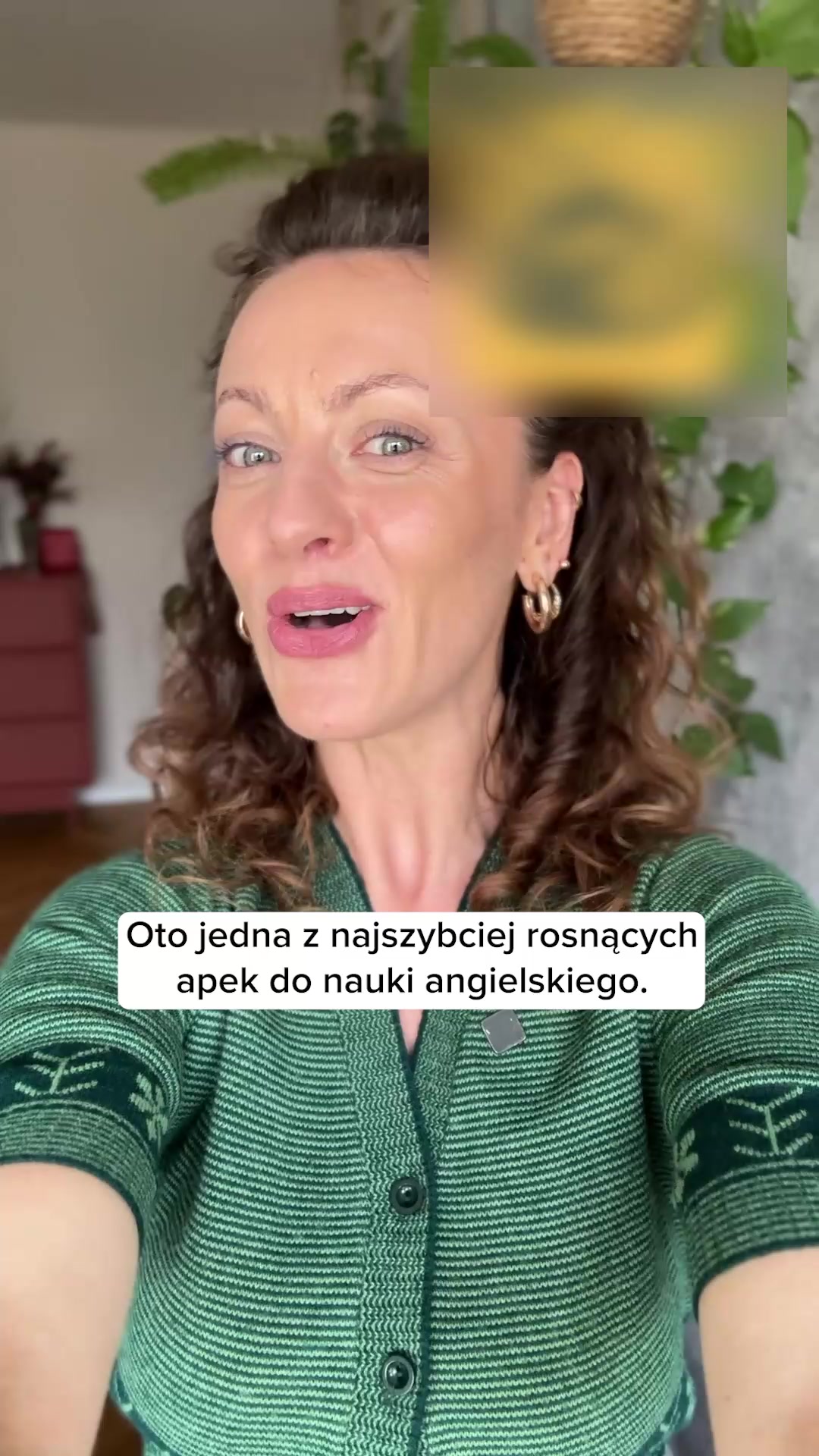
Original BeeSpeaker video poster inspected in Denote, October 30, 2026. The blur and on-screen wording are part of the source asset. This is not evidence of the speaker's identity, credentials or independent experience.
What is visible: a person faces the camera in a domestic setting, with a Polish subtitle near the bottom. The outer copy is also Polish and identifies BeeSpeaker as an English-learning app. The detail's destination points to its Google Play listing.
What we infer: the combination introduces the category through a human presentation rather than beginning with a screen full of controls. That may give a viewer a clear person and proposition to attend to. The poster alone cannot establish the full spoken hook, tone or demonstration that follows.
What remains unknown: whether the presenter is a customer, actor or another kind of spokesperson; how the complete video supports the pitch; and whether people who responded became active learners. Download and rating statements in the advertiser's copy were not independently verified here.
An original test to consider: for your own learning app, compare a presenter introducing one genuine learner task with a direct demonstration of that same task. Keep the lesson, benefit and destination aligned. This compares two opening approaches, not the credibility of two unrelated testimonials.
Before production, write the exact claim the speaker can support and how the app will demonstrate it. If the first meaningful product information arrives only after a long introduction, shorten the setup and test comprehension again.
Example 2: YarnPal makes the desired output tangible
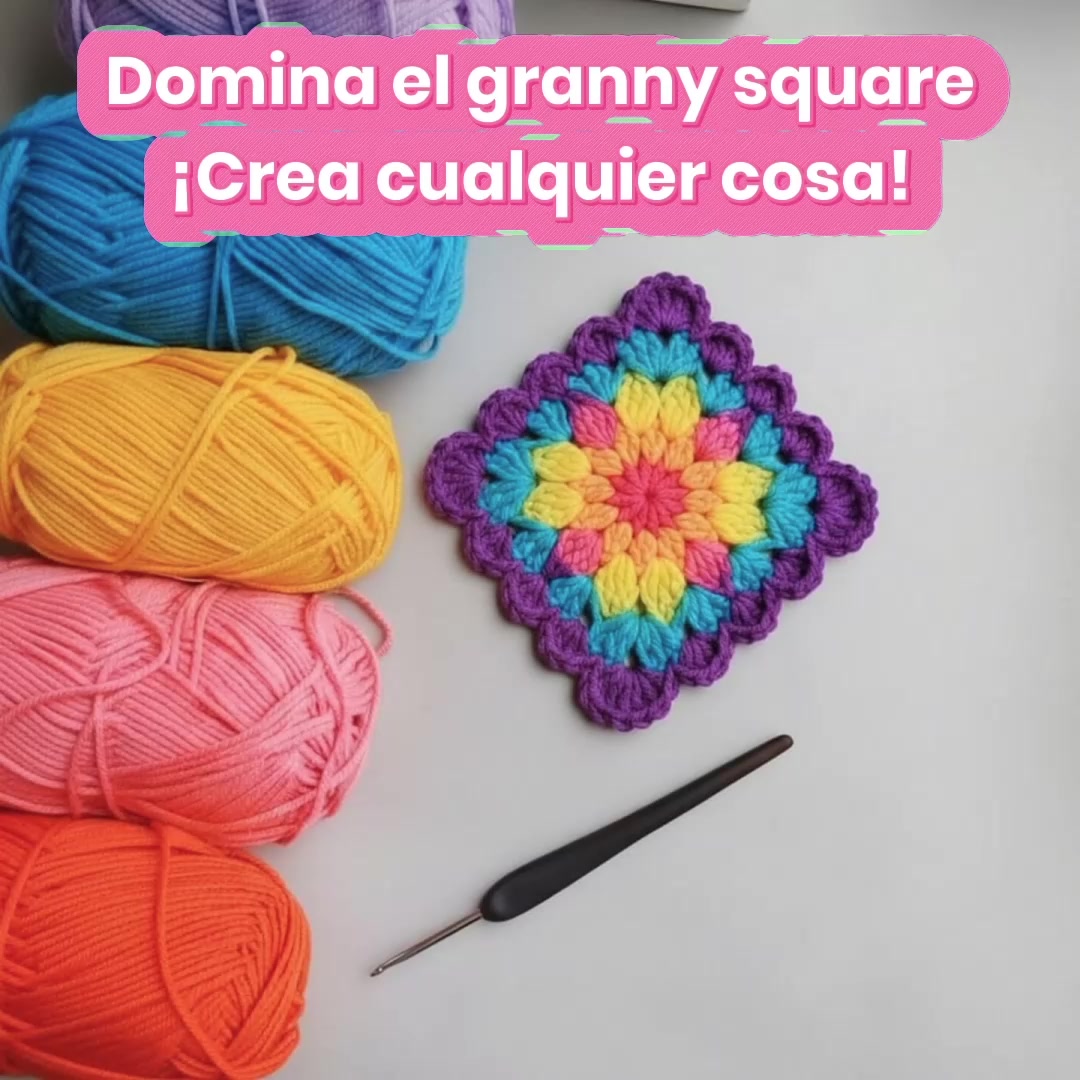
Original YarnPal video poster inspected in Denote, October 30, 2026. The detail identifies it as Video. The Spanish poster text and English outer copy were observed together.
What is visible: colored yarn, a crochet hook and a finished motif occupy the poster. The outer English copy addresses people new to crochet and describes tutorials and a first project. The detail links to YarnPal's App Store listing.
What we infer: showing a concrete object can make an abstract learning promise easier to picture. Instead of simply advertising “creativity,” the reference gives the viewer a recognizable output and materials associated with making it.
What remains unknown: the actual difficulty, time and guidance required to produce that output, as well as whether the later video demonstrates the app. A finished object in an ad does not establish that a beginner will reproduce it under a particular timeline.
An original test to consider: show the same supported project in two openings: finished result first versus the first learner action first. Keep the project, instructions and audience consistent. Measure whether acquired users start and progress through the matching tutorial, alongside acquisition cost.
The language check this example exposes
The poster contains Spanish, while the visible outer caption is English. That is an observed mismatch within this reference. It does not establish a targeting mistake, because this review does not have the advertiser's delivery settings or audience results.
For your own production brief, record these separately:
Do not assume that an English caption makes every part of a reference suitable for an English-language campaign. Translate the meaning and validate the product promise before reusing the mechanism.
Example 3: PictureThis pairs a problem with a camera action
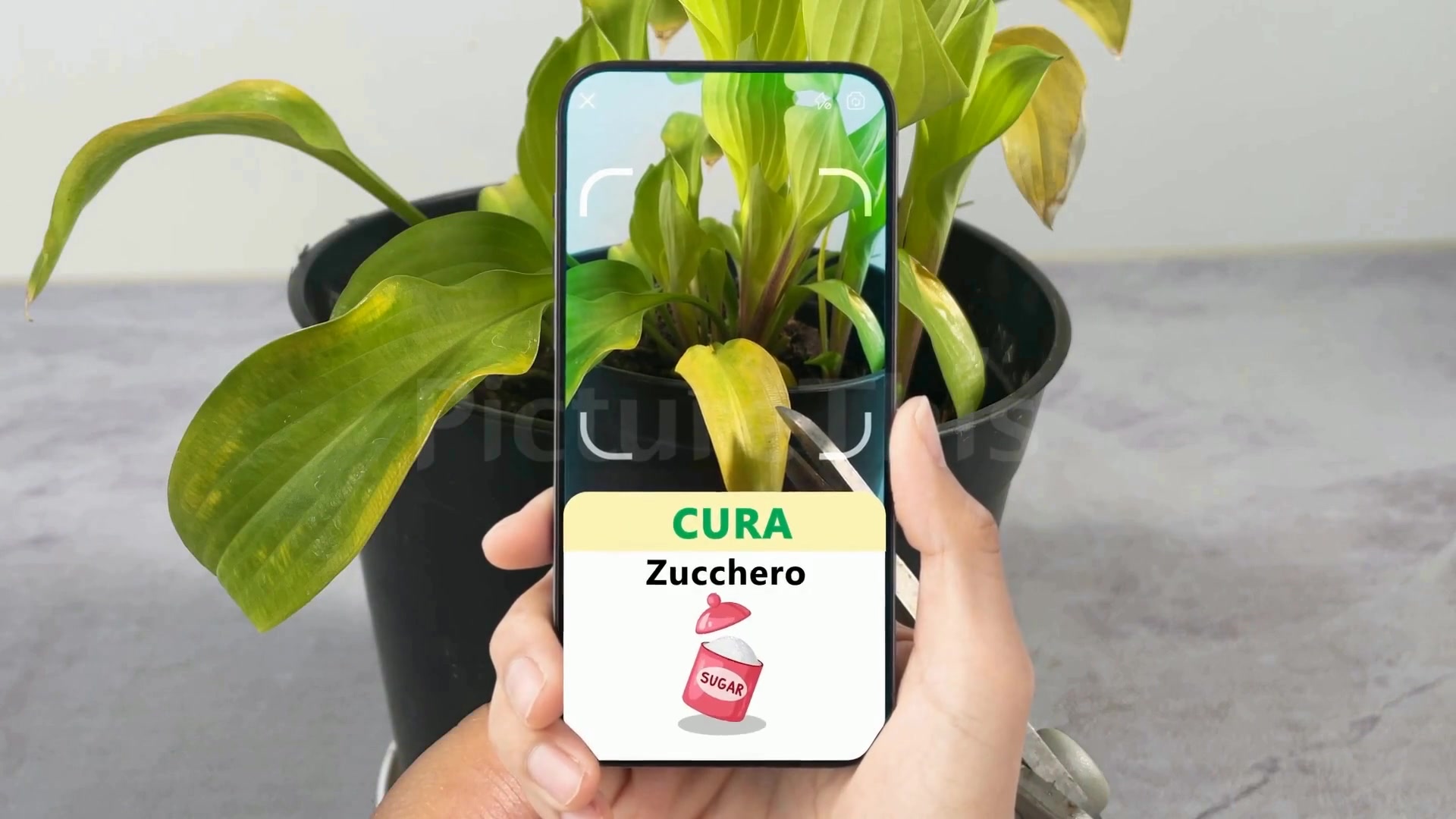
Original PictureThis video poster inspected in Denote, October 30, 2026. On-screen care instructions are advertiser creative, not plant-care advice or independently verified diagnostic results.
What is visible: yellowing leaves are shown both around the phone and inside its camera framing. An on-screen response appears on the phone. The outer Italian copy discusses personalized plant care, and the detail links to PictureThis's App Store listing.
What we infer: the composition connects a recognizable problem with a proposed product action. A viewer can inspect “this plant needs attention” and “use the phone camera” in the same image. That is a useful structure to study for identification, scanning or task-assistance apps.
What remains unknown: how faithfully the depicted screen represents the actual product flow, whether the suggested response is correct, and what happens after installation. This review did not test the app's accuracy or the instruction shown in the creative.
An original test to consider: for an app that genuinely supports camera identification, compare problem-first and action-first openings using the same object and supported result. Check whether users reach the promised identification action successfully. An inexpensive install that never reaches that task is a weak basis for choosing the next creative.
Use your own screen capture and verified product behavior. Do not copy the depicted care instruction or promise an instant result your app cannot reliably deliver.
Turn the references into one production brief
These three examples present different starting points: a person, a result and a problem/action pair. They are not direct competitors, so their presence together does not tell us which opening is better for a particular audience.
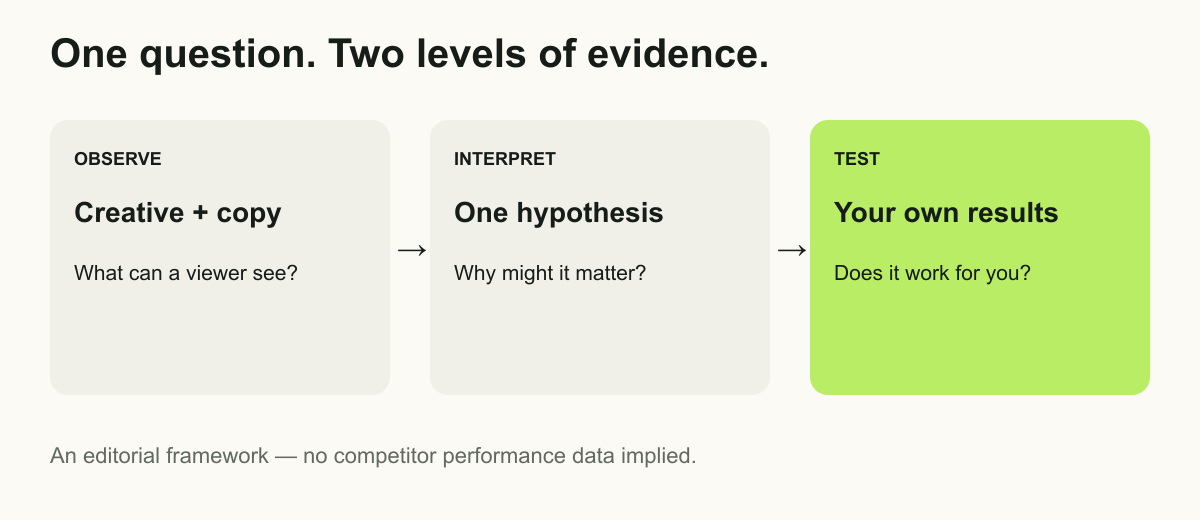
Editorial illustration: research creates a hypothesis; your own experiment supplies outcome evidence.
Use a short record for each reference:
The filled entries above are editorial proposals, not tests run by Denote or the advertisers. For how to execute the comparison, use our creative testing guide. For choosing between a single-frame argument and a sequence, see static vs video ads.
FAQ
Can a video poster tell me the whole ad hook?
It can show the poster's composition and text. It cannot establish spoken words, timing, sound, later scenes or whether it is the first frame delivered in every placement. Watch the relevant video before writing a frame-by-frame or audio-specific teardown.
Are these the best-performing app ads?
This review does not establish that. It selects contrasting creative references from a defined Denote view. It has no verified install, subscription or profitability data for these ads.
What should I borrow from an app advertising example?
Borrow a question or mechanism: show the goal earlier, make an action understandable, or align the language across the experience. Create original artwork, use truthful product behavior and secure any necessary rights for people, music and other assets.
Find the next reference with a question in mind
Choose one product task and one communication problem before browsing. Open the creative, inspect its language and destination, and write one observation that another reviewer can verify. Then decide what original test would help your team learn.
Explore Denote Top Ads, choose Tool and a relevant category, and bring one clearly explained reference to your next brief.


