
Choose static ads when the useful message can be understood in one frame. Choose video ads when the viewer needs to see an action, a sequence or a spoken explanation. Then test the execution against your actual campaign objective: neither format is a universal winner.
The practical question in static vs video ads is what evidence your customer needs before taking the next step. Denote helps you research how other advertisers present that evidence. Your own campaign results decide whether the format works for your product.
TL;DR
- Start with one promise and one viewer question. Decide whether a still image can answer it.
- Use an image to make an offer, product or visible contrast easy to scan; use video when the sequence adds useful information.
- A video poster is a still preview of a video. It is not evidence of a static-image campaign.
- Compare matched messages and eligible placements. Changing the offer, audience and format together answers a broader execution question.
- Pick a business outcome, a quality guardrail and a decision rule before spending. A higher click-through rate alone does not establish a better ad.
Static vs video ads: a practical decision table
A static image presents its argument at once. A video presents information over time, although its opening still needs to give someone a reason to continue. That difference should guide the brief before production starts.
These are editorial starting points, not platform performance benchmarks. A detailed static creative can take considerable work, and a simple recorded demonstration can be quick to make. Compare the actual production effort for your concept rather than treating every image as cheap and every video as expensive.
For help building the single-frame version, use the existing static-ad creative guide. For the experiment design after production, see the ad testing guide.
Two real references: one image and one video poster
We inspected these creatives in Denote on October 30, 2026, from Trending Ads → Tool → AI Tools, with the completed October 19–25 week selected. Platform, operating system, country and language were All; format was Image & Video; Remove Re-ads was off. This is a qualitative selection from the visible list, not a matched advertiser study or a performance ranking.
The source view in Denote can require account access. A category tag is a discovery label; inspect the creative and destination to determine what is actually being advertised.
TotalEnergies: an offer that fits in one image
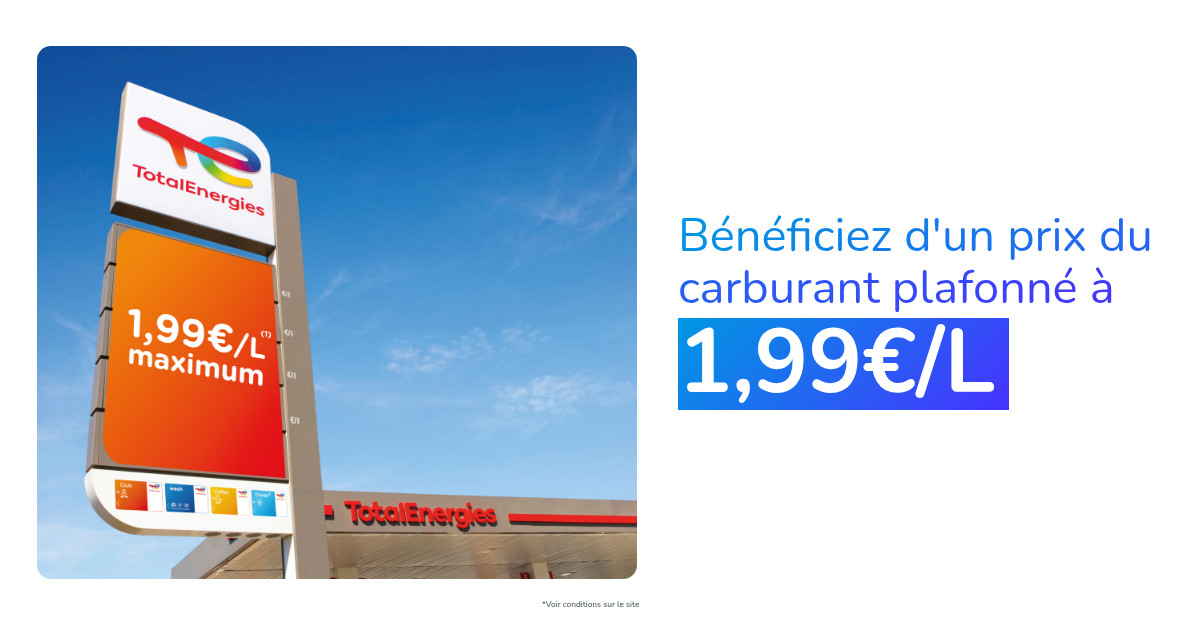
Original advertiser image, displayed as Image in Denote. Observed October 30, 2026. The visible offer belongs to the advertiser; this article does not verify its current availability or conditions.
The image places a recognizable fuel-station sign beside a prominent price-led message. The outer caption points readers to the site's conditions. You can study its hierarchy without relying on a sequence: identify the category, notice the offer, then inspect the terms.
The transferable lesson is about information order. In your own image, the main benefit should remain readable alongside any qualification that changes its meaning. Making a headline larger while burying essential conditions would weaken the message even if it made the picture easier to scan.
This is a fuel promotion, not proof of an app interface or evidence that a static ad outperformed video.
YarnPal: a poster that introduces a video

Original poster for a Video creative in Denote, observed October 30, 2026. It is not a static-image ad or a review of the full video.
The poster makes the desired craft output visible alongside the materials used to make it. The outer English copy addresses beginners and a first project; the image contains a Spanish headline. A finished motif can communicate the destination in a still, while a tutorial sequence could demonstrate how to reach it. The latter is a proposed production use, not a claim about the unseen video.
This reference raises two separate brief questions: does your audience need the finished result or the process, and do the image, caption and destination use the intended language? Our app advertising examples examine the language issue and two other real references in more detail.
Build a matched-message format test
Suppose your app helps a person identify an object with their phone. An image might show the object inside the camera frame. A video might show the capture action followed by a supported result. This is an illustrative brief, not a reported campaign.
Before producing both versions, decide what you want to learn:
- Format question: does a single image or a short sequence communicate the same promise more effectively?
- Execution question: does this particular image package or this particular video package produce better results?
The second can be a useful business decision. It simply cannot isolate format if the video also adds a new offer, testimonial or product benefit.
For an example of a controlled platform tool, TikTok's Split Testing documentation describes separate audience groups and keeping other variables consistent. Check the options supported by your chosen channel and campaign. Do not force an image/video comparison into a placement that cannot deliver both versions comparably.
Read the result without losing the question
An image may attract more clicks while the video brings fewer people who are more likely to complete the intended task. Compare the predefined outcome and quality measure before choosing a winner. Also keep production cost and revision effort visible if your decision is about an ongoing creative program.
If one version receives too little delivery, you have limited evidence about that execution. If the two versions ran across different placements, the difference can include placement effects. If you changed the destination halfway through, record the change before interpreting the outcome.
A result can be inconclusive. Keep that label when the evidence cannot distinguish the alternatives; a deadline does not create statistical certainty. The next useful step might be simplifying the concept or running a better-defined comparison.
FAQ
Do video ads always perform better than static ads?
No universal outcome follows from the format alone. Your audience, offer, execution, placement and objective shape the result. Use external references to form a hypothesis, then measure your own campaign.
Can I turn a video poster into a static ad?
A poster can suggest a composition, but it does not prove the composition works as an independent image. Create an original asset, include the context the still needs, and substantiate any claims. Do not reuse another advertiser's artwork without permission.
Should I make both formats immediately?
Make both when the comparison answers a useful decision and you can support it with suitable delivery and measurement. If the promise is unclear, resolve the message first. Two formats will not repair the same confusing claim.
Choose the evidence, then the format
Start with what the viewer must understand. Use a still when it communicates the necessary evidence clearly; use a sequence when the action or explanation earns the extra time. Keep a record of what you borrowed as a mechanism, what you changed and what your test actually measured.
Explore Denote Top Ads, open one genuine Image and one Video reference, and write the question your own format comparison should answer.


