.jpg)
Why Black Friday Marketing Is Evolving in 2025
The Shift to “Black November” — Not Just a One-Day Blitz
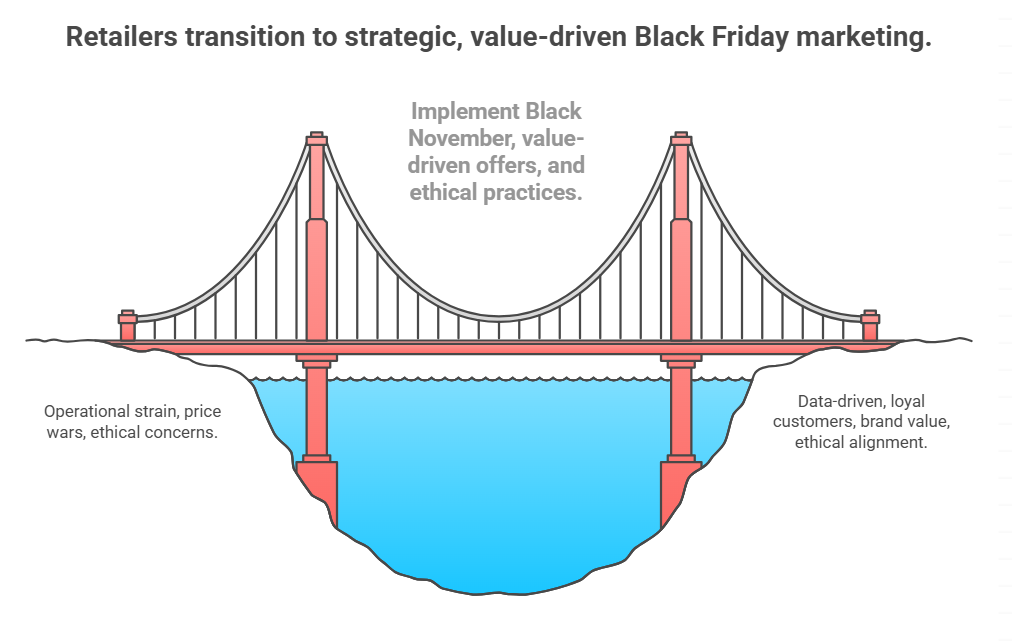
In the era of instant gratification, consumers are no longer content with squeezing all their shopping into a single 24-hour frenzy. Enter the era of “Black November”, where retailers stretch Black Friday deals across the entire month, transforming what was once a single-day battle into a strategic marathon. The advantages are clear: brands can pace their promotions, reducing operational strain while giving consumers ample time to plan their purchases.
Think of it like a theatrical production: instead of a single explosive scene, you’re orchestrating a month-long performance that keeps your audience eagerly anticipating each act. Stretching promotions across days, weeks, or even pre-Black Friday weekends allows marketers to tease products, test offers, and fine-tune their campaigns based on early responses. By embracing Black November, businesses turn the frenzy into a calculated, data-driven engagement opportunity.
Balancing Value with Margin — Why Deep Discounts Aren’t Always the Answer
Deep discounts grab your attention, sure, but they come at a price. They chip away at brand value and eat into profits. Next year, smart brands on Black Friday won’t just race to the bottom with bigger price cuts. Instead, they’ll focus on real value—think bundles, exclusive products, or limited-edition collaborations. These make shoppers feel special, like they’re in on something, not just chasing the lowest price.
It’s kind of like the difference between tossing candy at a parade and inviting someone to a private tasting. Both are fun, but that VIP experience sticks with you. That’s how you build loyalty and real value around your brand. When you match your offers to what people actually want, you protect your margins and keep customers excited. That’s the sweet spot where clever marketers stand out, while the rest just keep slashing prices and hoping for the best.
Growing Consumer Consciousness — Sustainability & Ethical Shopping
Today’s consumers are more conscious than ever, demanding transparency, sustainability, and ethical practices from brands. A sleek Black Friday marketing strategy in 2025 doesn’t just focus on what people buy but how they feel about buying it. Highlight eco-friendly packaging, ethical sourcing, or carbon-neutral shipping options to align your campaigns with modern values.
This isn’t just a feel-good tactic; it’s a competitive differentiator. Retailers who integrate social responsibility into their Black Friday campaigns can attract the growing cohort of conscious shoppers who actively seek brands that mirror their values. After all, in a sea of deep discounts, a brand that shows care for the planet and its people stands out like a lighthouse on a stormy night.
Key Black Friday Trends for 2025
Mobile-First Shopping Is Dominant
The smartphone is no longer just a device; it’s a shopping command center. Mobile-first design is no longer optional—it’s essential. From intuitive thumb-friendly interfaces to seamless checkout flows, 2025 Black Friday campaigns must cater to the on-the-go consumer.
Data from industry leaders indicates that mobile commerce drives the majority of traffic and conversions during the holiday season. Slow-loading pages or clunky checkout processes can sabotage otherwise brilliant campaigns. Investing in mobile optimization isn’t just tech-savvy; it’s a lifeline for capturing high-intent shoppers in a landscape where patience is in short supply.
AI-Driven Personalization & Predictive Experiences
Artificial intelligence isn’t some distant dream anymore—it’s right here, changing the way Black Friday marketing works. With predictive analytics, marketers can recommend products, adjust prices, and send out messages that actually fit each person. It’s like walking into a store and seeing every shelf stocked with what you love. AI pulls that off online, often knowing what you want before you do.
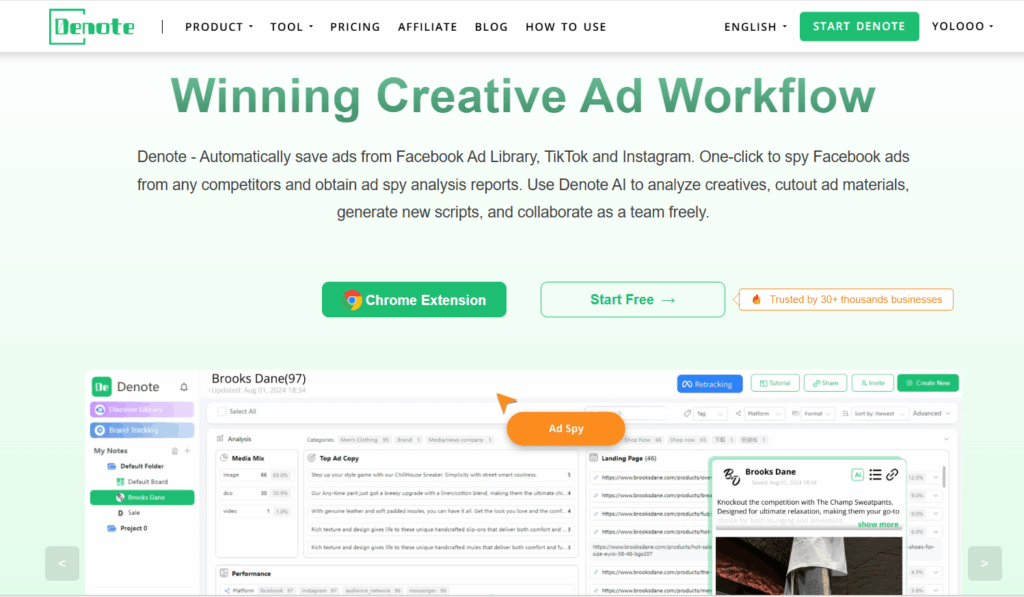
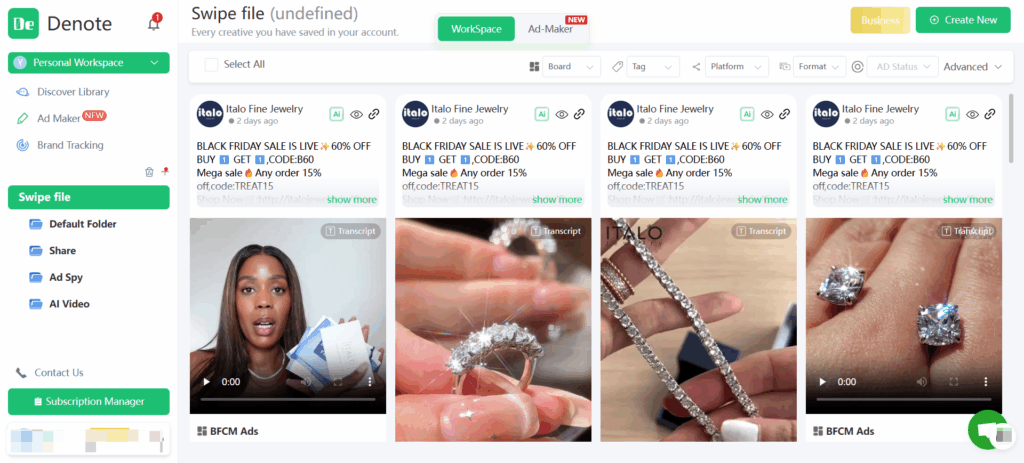
Now, tools like Denote make it possible for marketers to keep an eye on competitors, tweak their ads, and spot the next big thing before everyone else. The brands that jump on this early get ahead. But personalization isn’t just a sales trick. It’s about making shopping feel special—something people want to come back to, not just a quick transaction.
Conversational Commerce via WhatsApp, RCS, and Chatbots
Shoppers crave interaction, not just passive scrolling. Conversational commerce—using WhatsApp, RCS messaging, and AI-powered chatbots—allows brands to engage directly with consumers in real time. Questions are answered instantly, product suggestions are provided, and exclusive offers are delivered seamlessly.
Think of it as having a personal shopping assistant in everyone’s pocket. This approach not only enhances conversion rates but fosters a sense of connection and trust—critical for a holiday season where competition for attention is fiercer than ever.
Flexible Payments – BNPL & One-Click Checkout
The rise of Buy Now, Pay Later (BNPL) options and frictionless one-click checkout systems has changed the game. Modern shoppers expect flexibility, especially during Black Friday. Offering installment payments or easy guest checkout reduces friction and increases the likelihood of higher average order values.
It’s akin to rolling out a red carpet for the consumer: removing obstacles and smoothing the journey from desire to purchase. For brands, this flexibility can translate into more transactions, fewer abandoned carts, and improved customer satisfaction.
Social Commerce & Live Shopping Events
Social platforms aren’t just for browsing—they’re conversion engines. Live shopping events on TikTok, Instagram Reels, and other platforms allow brands to showcase products in real time, answer questions, and drive instant purchases. The authenticity of real-time demos, coupled with user-generated content, fosters trust and urgency simultaneously.
Marketing campaigns that integrate social commerce become dynamic storytelling experiences. Shoppers feel like they’re part of a community rather than being sold to, increasing engagement and, ultimately, sales.
Data-Driven Retention & Loyalty Activation
Retention is just as important as acquisition. 2025 Black Friday marketing emphasizes data-driven loyalty programs, leveraging insights from past purchases, browsing behavior, and campaign responses. Personalized follow-ups, reward points, and VIP early access can turn one-time shoppers into long-term brand advocates.
Here, Denote comes into play again: by monitoring competitor loyalty campaigns and analyzing what resonates, marketers can craft strategies that delight consumers while maintaining profitability.
Tactical Strategies for a High-Impact Black Friday Campaign
Plan Early with a Pre-Black Friday Launch
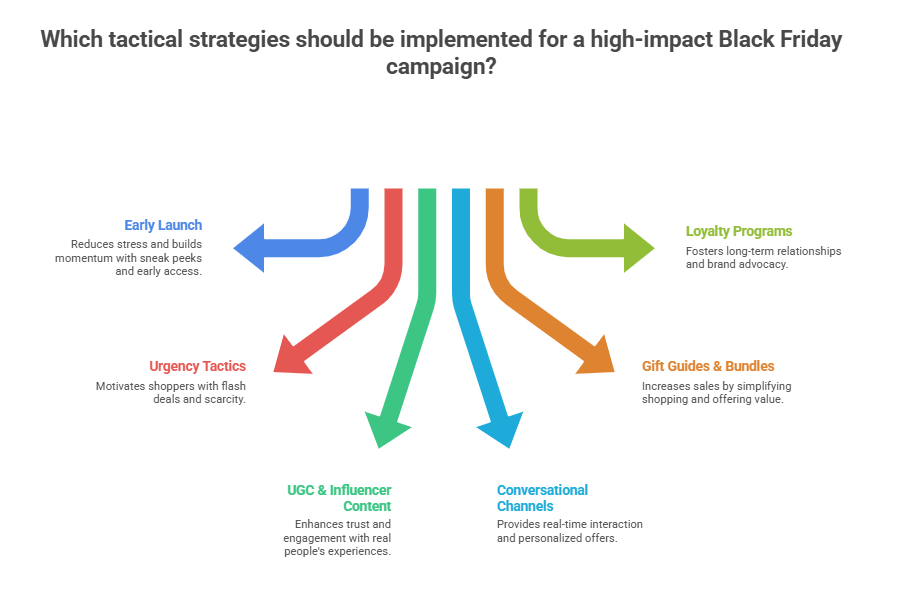
Starting early is the name of the game. Successful campaigns tease, educate, and engage consumers before the main event. Pre-Black Friday launches can reduce last-minute stress and build momentum for the core sales period.
Building Anticipation with Sneak Peeks & Early Access
Sneak previews, teaser emails, and early access for VIPs turn regular shoppers into insiders. Suddenly, Black Friday isn’t just another sale—it feels personal. People get excited. They start talking. Everyone loves feeling like they’re part of an exclusive club, and these early access programs set the stage perfectly for the big day.
Pre-holiday Email & SMS Funnels
Strategic email and SMS sequences can nurture potential buyers, highlight upcoming offers, and provide useful content like gift guides. Segmenting audiences based on purchase history, engagement, or demographics ensures that messages are relevant, timely, and more likely to convert.
Urgency That Converts — Flash Deals, Countdown Timers & Scarcity
Nothing motivates a shopper quite like the fear of missing out. Urgency is a psychological turbocharger in Black Friday marketing. Flash deals, countdown timers, and limited-stock notifications create a sense of immediacy, prompting consumers to act now rather than later.
Think of it as lighting a fire under the shopper’s feet—suddenly, hesitation is costly. Marketers should balance urgency with authenticity: artificial scarcity can backfire if overused, but real-time, data-informed limits make promotions feel credible and exciting. Denote’s tools can help analyze which scarcity tactics resonate most with your audience, providing insights drawn from competitor campaigns.
Leverage UGC and Influencer Content for Authentic Engagement
People trust each other way more than they trust brands. That’s why user-generated content and influencer shoutouts matter so much during the Black Friday chaos. When you show real people using your stuff—or you get influencers hyping your bundles—it’s not just proof your product works, it actually makes people want it.
In 2025, weaving UGC into your ads, landing pages, and emails really turns up the engagement. This is what great storytelling looks like: real voices build trust, and eye-catching content stands out when everyone’s fighting for attention.
Conversational Channel Execution — Chatbots & Messaging Apps
Real-time interaction is no longer optional. Conversational channels like chatbots, WhatsApp, and RCS allow brands to answer questions instantly, guide purchase decisions, and deliver personalized offers. These tools reduce friction, increase conversion rates, and foster a sense of care and responsiveness.
By leveraging data from previous campaigns, brands can pre-program chat flows that anticipate customer queries, highlight best-selling products, and provide tailored recommendations. The result? A seamless shopping journey that feels personal, even at scale.
Build High-Converting Gift Guides & Bundles
Bundles and curated gift guides do more than just make shopping easier—they actually boost sales. When you group products that go well together or build themed packages, people spend more and don’t have to think as hard about what to buy.
To figure out which combos really work, look at your past sales and see what your competitors are selling. Denote’s analytics tools make this even easier by highlighting your best-performing bundles on social media. That way, you can stay ahead of the competition.
Integrate Loyalty Programs Across Channels
Loyalty programs are not just perks—they’re engines for retention. Integrating points, early access, and rewards across email, mobile apps, and social platforms ensures consistent engagement. Shoppers feel valued, and brands build long-term relationships rather than one-off transactions.
Strategically incorporating loyalty incentives into your Black Friday campaigns transforms shoppers into brand advocates who return long after the holiday frenzy ends.
Operational & Technical Readiness
Website Performance & Scalability (Mobile Optimization)
A slow-loading website is the silent killer of sales. Mobile-first optimization ensures shoppers experience smooth navigation, fast loading, and frictionless checkout. Stress-testing your website before peak traffic is crucial—nothing kills excitement faster than crashes or lagging pages.
Inventory Forecasting & Fulfillment Planning
Predictive inventory management prevents stockouts and overstocking. Using historical data, AI forecasting, and real-time analytics allows brands to maintain sufficient supply without unnecessary waste. This planning is vital for a positive customer experience during high-demand periods.
Real-Time Analytics & Dynamic Offer Optimization
When you keep an eye on your KPIs all the time, you can tweak prices, promotions, and messaging as things change. Brands jump on shifts in consumer behavior right away, so they get more out of every dollar and miss fewer chances. Denote’s competitive insights make these moves even smarter, pointing out what’s actually working in the wider market.
Pricing Transparency & Ethical Discounting
Transparency builds trust. Consumers expect honest “was/now” pricing, clear shipping costs, and fair discount representation. Ethical pricing practices prevent backlash, maintain brand credibility, and align with the growing emphasis on responsible commerce.
Measurement, Optimization, & Post-Campaign Learning
Key Performance Metrics to Track
Track conversion rates, average order values, customer acquisition cost, and retention rates. Data-driven insights reveal what strategies succeed and which need refinement, laying the foundation for stronger campaigns in the future.
A/B Testing & Segmentation for Iterative Improvement
Testing variations in creative, copy, and promotions allows marketers to fine-tune campaigns. Segmenting audiences ensures messaging resonates with different shopper personas, increasing engagement and conversion.
Post-Mortem Analysis & Customer Feedback Loops
After the dust settles, a thorough post-mortem helps brands learn from successes and missteps. Customer feedback provides qualitative insights, complementing quantitative data and guiding future Black Friday marketing strategies.
Pitfalls to Avoid in Black Friday Marketing
Over-Discounting Risks & Margin Erosion
Excessive discounts can damage profitability and devalue your brand. Instead, focus on value-added promotions, bundles, and exclusive offerings that entice shoppers without eroding margins.
Misleading “Was / Now” Pricing Claims
Transparency is non-negotiable. Misleading pricing can create short-term sales but long-term distrust. Ethical marketing builds loyalty and a positive reputation.
Ignoring Non-Digital Channels in the Omnichannel Mix
While digital dominates, physical touchpoints like in-store events, packaging, and printed guides contribute to a holistic experience. Omitting these can mean missed opportunities for engagement.
Underestimating Peak Traffic & Support Needs
Failure to prepare for surges in traffic can lead to crashes and poor customer experiences. Invest in robust infrastructure and scalable support solutions to maintain service quality under pressure.
Preparing Beyond 2025: Building a Sustainable Black Friday Program
Cultivating Year-Round Engagement & Loyalty
Black Friday should be part of a continuous relationship, not a single transaction. Loyalty programs, content marketing, and regular engagement nurture long-term connections.
Investing in Data & AI Infrastructure for Future Growth
Data-driven insights fuel smarter campaigns. Investing in analytics, predictive AI, and competitor intelligence tools like Denote prepares brands for more effective strategies in coming years.
Aligning Black Friday Strategy with ESG & Brand Values
Consumers increasingly expect brands to act responsibly. Align campaigns with environmental, social, and governance (ESG) goals, integrating sustainable practices without sacrificing performance.
Conclusion
Black Friday marketing in 2025 is a complex, dynamic ecosystem. Success hinges on blending urgency, personalization, data insights, and ethical practices into campaigns that captivate consumers and drive measurable results. By leveraging modern strategies, including mobile-first design, AI-driven personalization, conversational commerce, and tools like Denote, brands can thrive in an increasingly competitive landscape.
Ultimately, the goal is not just to win sales on one day, but to build lasting relationships, reinforce brand value, and lay the groundwork for a future where Black Friday becomes not just a shopping event, but a strategic marketing cornerstone.