.jpg)

If you’ve ever tried to scale Facebook Lead Ads, you probably know the feeling:leads are coming in, numbers look decent, but something feels… off.
Sales keeps grumbling about lead quality. Sure, the CPL looks good in the reports, but actual revenue just doesn’t show up. And every time you try bumping up the budget, performance tanks fast.
That’s when a Facebook lead ads testing tool stops being something you can live without. It’s not just a handy trick for tweaking campaigns—it’s the thing that makes real, scalable lead gen possible.
Why Testing Is the Key to Scaling Facebook Lead Ads
Scaling Facebook Lead Ads without testing? That’s basically like hitting the gas with your eyes shut. Sure, you might get a little farther, but you’re bound to crash sooner or later.
Here’s why: Lead Ads live right where psychology, intent, and friction all collide. Tiny tweaks matter. Change a single line, add a question, swap in a new hook—boom, your results can go all over the place. If you skip testing, you’re just guessing about what’s actually working and what’s not.
That’s where a good Facebook Lead Ads testing tool steps in. It takes you out of the dark and gives you a clear process. Suddenly, instead of wondering, “Why did this campaign flop out of nowhere?” you’re asking questions that actually lead you somewhere.
- Which creative attracts the right leads?
- Which form filters out low-intent users?
- Which audience scales without killing quality?
Testing gives you answers before you risk serious budget.
Why Facebook Lead Ads Fail to Scale Without Proper Testing
Many Lead Ads campaigns don’t fail immediately. They fail quietly.
They look fine at $20/day.They survive at $50/day.Then everything breaks at $200/day.
The problem isn’t Facebook. It’s the lack of testing discipline.
The Difference Between Lead Volume and Lead Quality
Lead volume feels great at first. You watch the numbers tick up in Ads Manager and it’s exciting—leads seem to flood in, fast and easy. But then reality hits when you sit down with the sales team. Suddenly, it’s all about the quality of those leads, not just the quantity.
High numbers don’t always mean you’re getting the right people. Facebook Lead Ads are experts at finding folks who like filling out forms, but filling out a form doesn’t mean they’re ready to buy.
That’s where a Facebook lead ads testing tool comes in. It helps you figure out which ads and forms actually attract real buyers, not just people who like clicking around. Instead of chasing big lead counts, you start focusing on the leads that really matter.
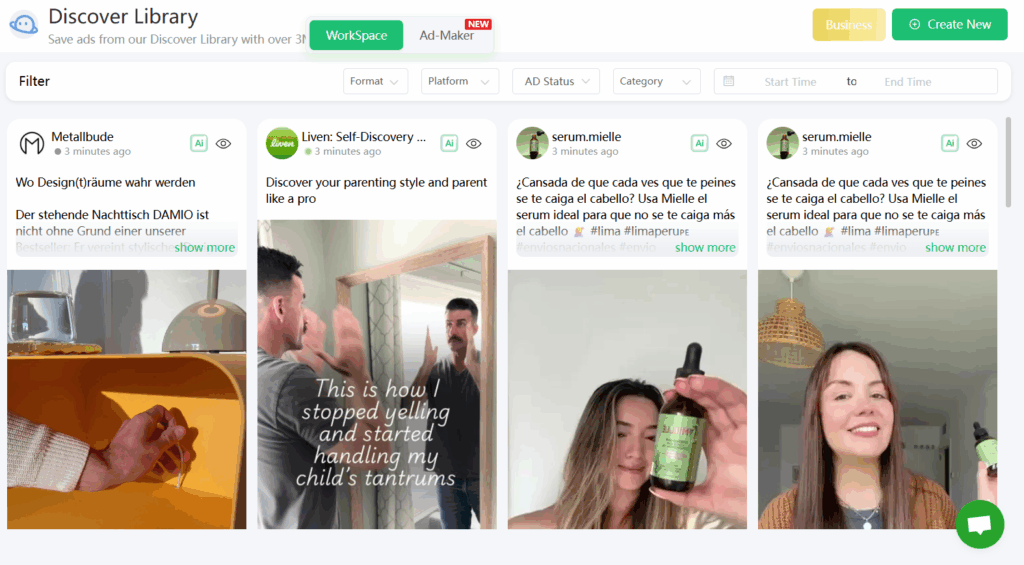
Why Cost Per Lead Alone Is a Misleading Metric
CPL is a tricky metric in Lead Ads. It looks great on the surface, but here’s the catch: Facebook just cares about getting forms filled out, not whether those people actually want what you’re offering. So if your setup makes it easy, the algorithm will send you a bunch of cheap leads—no problem.
But a lower CPL usually means you’ve got shorter forms, less filtering, and way more accidental sign-ups. Honestly, you can end up with a list full of people who don’t care at all.
Strangely enough, campaigns with a higher CPL often bring in more real revenue. Once you start testing and track what happens after the lead comes in—not just how much you paid for it—you’ll see the difference. The right testing tool can help you spot these deeper signals, so you’re not just chasing the lowest number.
Common Mistakes Marketers Make When Scaling Lead Ads
Most scaling failures come from a few predictable mistakes:
- Scaling before identifying a stable creative
- Testing audiences before testing messaging
- Changing multiple variables at once
- Declaring “winners” after 24–48 hours
These mistakes turn optimization into chaos. Testing tools exist to impose structure on that chaos—so you scale what’s proven, not what feels promising.
What a Facebook Lead Ads Testing Tool Should Help You Test
Not all testing tools are created equal. A real facebook lead ads testing tool shouldn’t just show numbers—it should help you learn.
At a minimum, it should help you test four core dimensions.
Creative Testing: Hooks, Messaging, and Formats
Creatives really carry the weight in Lead Ads. The hook you use matters—a lot. An emotional hook grabs people who are just curious, while a problem-aware hook pulls in folks who already know what they need. Benefit-driven hooks? Those usually scale best.
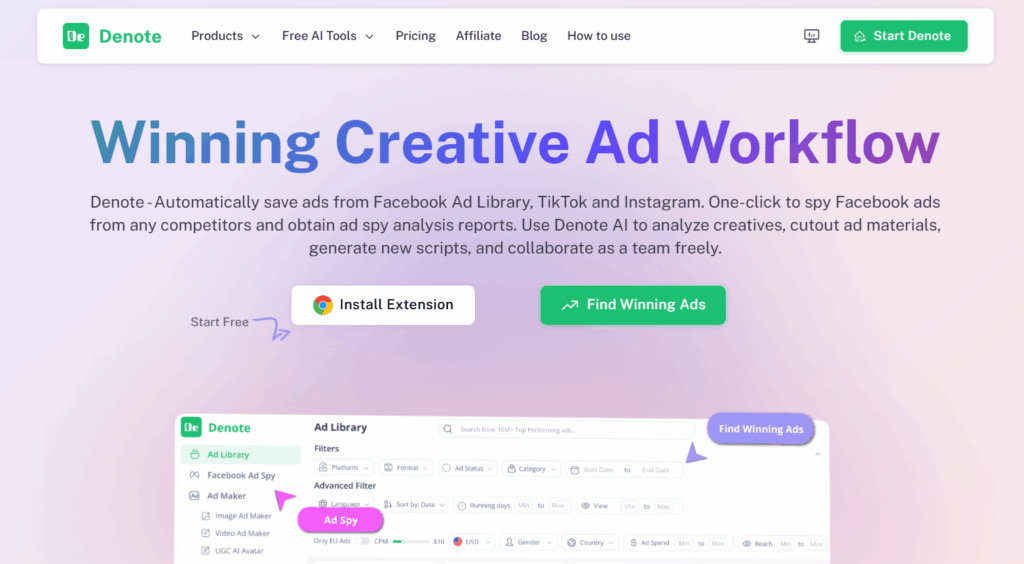
You’ve got tools to help with all this. Take Denote, for example. It lets you organize and analyze your creatives, so you don’t end up testing the same concepts on repeat.
The point isn’t to chase a single winning ad. You want to spot creative patterns that work, so you can use them again and again.
Lead Form Testing: Short vs Long Forms and Question Types
Forms are tricky. They can help you capture what people want—or just make them lose interest altogether. Short forms? People breeze through them, so you get more responses. Long forms slow folks down, but the answers you get usually mean more.
If you’re working with Facebook lead ads, you need a solid testing tool. It lets you play around with things like how many fields you include, whether you use custom questions or stick with multiple choice, how you write your intro, even how you handle privacy disclaimers.
Sometimes, adding just one smart qualifying question changes everything. You can double the quality of your leads and still get almost as many. But honestly, you won’t know what works until you test it out in a focused way.
Audience and Placement Testing
Sure, audiences matter. Just not as much as everyone says. If you put creative ideas front and center when you test, you usually get better results than if you start by obsessing over the audience. That said, once you know which creative stuff actually works, then it’s time to dig into audience testing—because that’s how you really grow.
Testing tools are great for figuring out things like: Should you go broad, or target based on interests? Are lookalike audiences better early on, or later? And what’s smarter—automatic placements or just sticking with feeds?
Skip the testing, and you’re basically throwing money at random guesses.
Budget and Delivery Stability Testing
Scaling isn’t just what you test—it’s how Facebook delivers.
Budget changes affect learning, delivery, and volatility. A proper facebook lead ads testing tool helps you observe:
- Performance stability over time
- Learning phase resets
- Spend-to-result consistency
This prevents the classic mistake of “scaling too hard, too fast.”
Step-by-Step: How to Use a Facebook Lead Ads Testing Tool
Testing without a framework is just noise. Here’s a practical, repeatable process.
Define Your Testing Goal Before Launch
Before spending a dollar, decide what “success” means.
Is your goal:
- Lowest CPL?
- Highest qualified lead rate?
- Best sales acceptance?
A facebook lead ads testing tool is only as good as the goal you give it. Clear goals prevent false winners and wasted budget.
Test Creatives Before Audiences
Creatives determine who clicks. Audiences only decide where Facebook looks.
Start with creatives:
- Same audience
- Same budget
- Different hooks or angles
This isolates the variable that matters most.
Run Controlled Tests With One Variable at a Time
Testing multiple variables at once is the fastest way to learn nothing.
Change one thing:
- Creative
- Form
- Audience
- Budget
A disciplined facebook lead ads testing tool setup keeps results clean and interpretable.
Evaluate Results Beyond Cost Per Lead
This is where most advertisers stop—and where they shouldn’t.
Look deeper.
Completion Rate and Drop-Off Analysis
Where do users abandon the form?Which questions cause friction?Which intro copy improves completion?
These insights are gold for optimization.
Lead Consistency and Intent Signals
Are leads filling real information?Are answers consistent?Do certain creatives attract more serious responses?
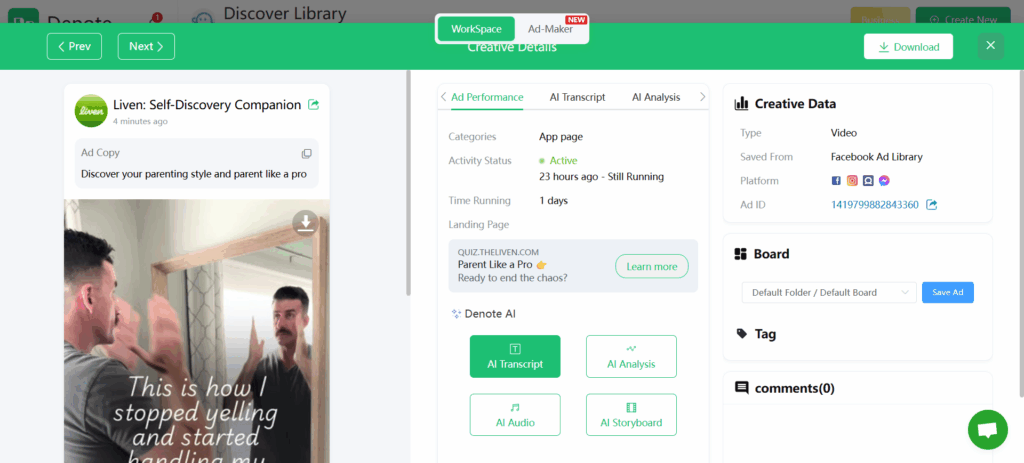
A good facebook lead ads testing tool helps surface these patterns—so scaling becomes intentional, not accidental.
How to Use Test Results to Improve Lead Quality
Once you have test data in hand, the next step is turning insights into action. Without this, testing is just an expensive hobby.
Identifying High-Intent Leads From Testing Data
High-intent leads are like gold nuggets in a river of sand. They may be fewer, but their value is exponentially higher.Use your facebook lead ads testing tool to track signals beyond CPL:
- Form completion patterns: Who fills every field accurately?
- Repeated submissions: Do certain creatives attract repeat low-quality entries?
- Engagement signals: Did the lead interact with your follow-up emails or content?
With these insights, you can adjust creative, form length, and targeting to consistently attract leads more likely to convert.
When Higher CPL Actually Means Better Performance
A cheap lead is tempting, but often, low-cost leads are also low-intent. Your sales team might spend hours chasing them with little payoff.
A properly tested campaign may show that higher CPL correlates with:
- More qualified prospects
- Fewer fake entries
- Higher sales conversion
This is where your facebook lead ads testing tool shines: it uncovers the hidden value of leads beyond raw cost.
Optimizing Lead Forms Based on Test Insights
Lead forms are your first line of qualification. Testing allows you to iterate intelligently:
- Remove fields causing unnecessary drop-offs
- Add high-impact questions that predict conversion
- Experiment with conditional logic for segmented audiences
A well-structured testing system ensures that every change improves quality without tanking volume.
From Testing to Scaling: Turning Insights Into Growth
Testing is the foundation. Scaling is the reward. But naive scaling can destroy everything you built.
When a Test Is Ready to Scale
How do you know a test is stable enough for scale?
- Data consistency over multiple days
- Statistically significant lead patterns
- Predictable cost per acquisition trends
Scaling too early is like adding fuel to a fire that hasn’t started yet—messy and expensive.
Horizontal vs Vertical Scaling Strategies
- Horizontal scaling: Expanding to new audiences while keeping creative consistent. Low risk if your winning formula is solid.
- Vertical scaling: Increasing budget in existing campaigns. High risk without proper testing, as Facebook’s learning algorithm can reset or over-optimize.
Your facebook lead ads testing tool can simulate these scenarios and suggest safe increments.
How to Scale Without Resetting the Algorithm
Facebook’s delivery system is delicate. Sudden budget spikes often reset optimization.
To avoid this:
- Increase budget gradually (10–20% increments)
- Duplicate winning ad sets instead of massive edits
- Monitor performance daily for unexpected drops
Scaling intelligently keeps the machine running, instead of constantly rebuilding it from scratch.
Building a Repeatable Facebook Lead Ads Testing System
Testing shouldn’t be a one-off experiment. It should be a repeatable, documented system.
Why Saving and Organizing Test Results Matters
Each test is a data point. Collectively, they form a playbook for future campaigns.
Use your facebook lead ads testing tool to:
- Store results by creative, audience, and form
- Track metrics over time
- Highlight patterns for fast replication
Skipping this step is like throwing away your research notes after a lab experiment.
Creating a Testing Library for Long-Term Growth
A testing library transforms trial-and-error into predictable growth. Include:
What to Document From Every Test
- Creative variations and hooks
- Form structures and question sets
- Audience details and targeting parameters
- Budget, spend, CPL, and quality metrics
How to Reuse Winning Patterns Across Campaigns
- Clone proven ad sets with new products
- Test similar audiences without starting from scratch
- Build internal SOPs for creative & form optimization
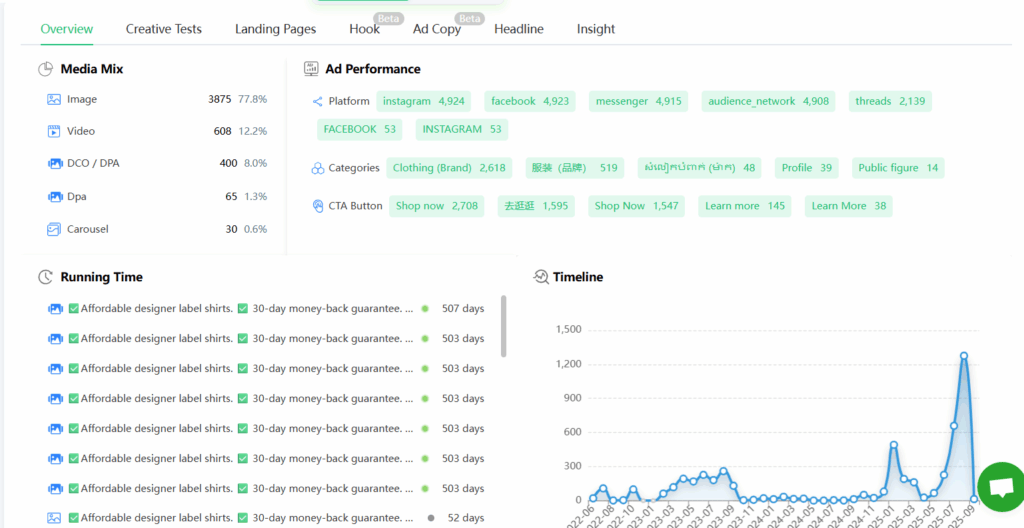
This systematic approach makes scaling faster, cheaper, and more reliable. Tools like Denote help you organize, compare, and retrieve tests effortlessly.
Choosing the Right Facebook Lead Ads Testing Tool
Selecting the right tool is critical. Not every solution provides meaningful insights.
Key Features to Look For
- Support for Lead Ads metrics beyond CPL (form completion, drop-off, lead quality)
- Ability to test creatives, forms, audiences, and budgets simultaneously
- Historical data tracking and visualization
- Collaboration and sharing features for team workflows
Different Needs for Solo Marketers, Teams, and Agencies
- Solo marketers: Need lightweight, easy-to-interpret dashboards
- In-house teams: Benefit from deeper analytics and automated reports
- Agencies: Require multi-client support, collaboration tools, and workflow standardization
Final Checklist Before Selecting a Tool
- Does it integrate directly with Facebook Lead Ads?
- Can it track quality metrics beyond basic CPL?
- Can it store, organize, and analyze test results efficiently?
- Does it provide actionable insights rather than just raw data?
Answering “yes” to these ensures your testing process is scalable, efficient, and valuable.
Conclusion
Scaling Facebook Lead Ads is no magic trick—it’s a disciplined game of testing, learning, and iterating. Without a facebook lead ads testing tool, you’re flying blind, hoping the winds of luck carry your campaigns to success.
The right tool helps you:
- Test creatives, forms, audiences, and budgets intelligently
- Identify high-intent leads even if they cost more
- Build a repeatable, structured testing system
- Scale campaigns without breaking the Facebook algorithm
Tools like Denote make this entire process easier, allowing you to organize your tests, track performance, and reuse winning patterns across campaigns.
Remember: Lead Ads aren’t about quantity—they’re about quality, predictability, and repeatable wins. Testing transforms guesswork into growth.
So, next time you launch a Facebook Lead Ads campaign, don’t just post and pray—test, measure, and scale. That’s how winners are made.